


WiFi Thermostats: Benefits and Features Explained
Jun 12, 2026
What Is a WiFi Thermostat?
A WiFi thermostat is a temperature control device that connects to a wireless internet network. Once connected, users can access and control the thermostat remotely through a dedicated mobile application.
The thermostat continuously monitors indoor temperature and automatically controls heating or cooling equipment to maintain the desired comfort level.
How It Works
The process is simple:
- The thermostat measures room temperature.
- Temperature data is processed by the thermostat.
- The thermostat sends commands to the HVAC or heating system.
- Users can view and adjust settings through a mobile app.
- Changes are synchronized instantly via WiFi.
This connectivity allows homeowners and facility managers to stay in control from virtually anywhere.
Key Benefits of a WiFi Thermostat
1. Remote Temperature Control
One of the biggest advantages of a WiFi thermostat is remote access.
Users can:
- Adjust temperature from anywhere
- Turn heating on before arriving home
- Monitor system status while traveling
- Prevent unnecessary energy consumption
Remote control provides both convenience and peace of mind.
2. Improved Energy Efficiency
Energy efficiency is a major reason many people upgrade to a WiFi thermostat.
By creating customized schedules, users can:
- Reduce heating or cooling during unoccupied periods
- Avoid overheating or overcooling
- Optimize energy consumption
As a result, many households experience lower utility bills while maintaining comfort.
3. Enhanced Comfort
A WiFi thermostat helps maintain a stable indoor environment.
Instead of manually adjusting temperatures throughout the day, users can create schedules that automatically match their daily routine.
For example:
- Warm mornings
- Comfortable daytime temperatures
- Energy-saving nighttime settings
This automation improves overall comfort without constant adjustments.
4. Easy Monitoring and Management
Modern WiFi thermostats provide real-time information such as:
- Current room temperature
- Target temperature
- Operating mode
- Weekly schedules
- System status
These insights help users better understand and manage their heating and cooling systems.
5. Smart Home Integration
Many WiFi thermostats can integrate with smart home ecosystems.
This allows users to combine temperature control with:
- Smart speakers
- Home automation systems
- Voice control functions
- Energy management platforms
The result is a more connected and intelligent living environment.
Important Features to Look for in a WiFi Thermostat
When selecting a WiFi thermostat, consider the following features:
1. Programmable Scheduling
Allows automatic temperature adjustments based on daily or weekly routines.
2. Mobile App Control
Provides convenient access to thermostat settings from anywhere.
3. Multiple Temperature Modes
Common modes include:
- Room sensor mode
- Floor sensor mode
- Combined sensor mode
These options are particularly useful for underfloor heating applications.
4. Energy-Saving Functions
Features such as vacation mode and automatic scheduling can help reduce energy consumption.
5. User-Friendly Interface
A clear display and intuitive controls make operation easier for all users.
Conclusion
A WiFi thermostat is much more than a simple temperature controller. It provides intelligent, connected climate management that helps improve comfort while reducing energy consumption.
Whether you're upgrading a residential heating system or managing a commercial HVAC project, choosing the right WiFi thermostat can deliver long-term benefits for both users and building operators.
You Might Also Like
-

Remote Control Thermostatic Radiator Valve TRV-705 Series
-
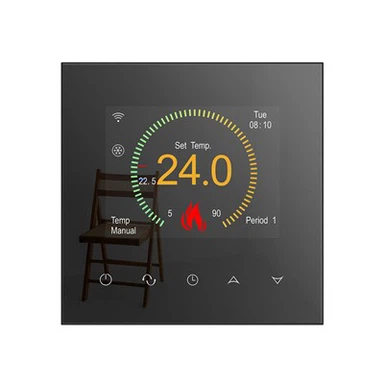
Colorful Screen Underfloor Heating Thermostat TCB38/TCW38
-

Combi Boiler Temperature Control Thermostat TGR85-WIFI-WPB
-

TGP53-WIFI-WPB Wifi Thermostat For Boiler System
-

Wireless Underfloor Heating Control Hub CCT-28-X
-
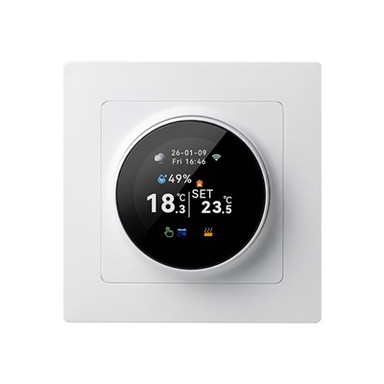
Smart Wifi Round Colorful Screen Gas Boiler Thermostat TCC31